Moving to a new country is an adventure, but for children, it can also be overwhelming. A new home, new classmates, and new customs tend to arrive all at once, and young minds do not always have the words to explain how that feels. So how can parents help their kids navigate culture shock and thrive in a place that looks, sounds, and even tastes different from the one they left behind?
Families who relocate abroad with young children are raising what researchers call third culture kids (TCKs). These are children who grow up in a culture different from the one printed on the passports of their parents. A clear picture of how the adjustment shows up in children, what shapes a TCK, and which habits at home ease the transition can give parents a strong head start.
What Is Culture Shock?
Culture shock is the emotional and psychological disorientation a person feels after arriving in an unfamiliar culture. Small things can trigger it, such as a greeting that works differently, a menu nobody at the table can read, or a joke that falls flat in a new language. The result can include confusion, anxiety, frustration, loneliness, and homesickness.
Studies describe the process in four distinct stages, a model often traced back to researcher Sverre Lysgaard in 1955.
- Honeymoon stage. Everything feels exciting and new, and this phase may last several weeks or even months.
- Negotiation stage. The novelty fades, and frustration and anxiety set in, often around the three-month mark. Everyday tasks feel harder, and memories of home can look rosier than they really were.
- Adjustment stage. Routines take shape, usually somewhere between six and twelve months in, and challenges become easier to handle.
- Adaptation stage. Also called the bicultural stage, this is the point where life in the new country feels comfortable and a sense of belonging returns.
A fifth phase, known as re-entry shock, can possibly appear when a family returns home after years away and finds that people and places have changed. For children who left young, the passport country may feel like one more place to learn.
Children and adults move through these stages in different ways. Adults can typically name what feels wrong, while children are likely to show it through behavior. Parents may notice mood swings, tantrums, clinginess, or a return to habits the child had outgrown, such as bedwetting or baby talk. Some children withdraw from new classmates or lose interest in activities they once enjoyed, and others complain of stomachaches or trouble sleeping. These signs are usually temporary, although persistent changes deserve a conversation with a school counselor or pediatrician.
Understanding Third Culture Kids (TCKs)
The label itself dates back to the 1950s, when American sociologist Ruth Hill Useem used it to describe children who accompanied their parents to live in another society. Decades later, David C. Pollock and Ruth E. Van Reken brought the concept to a wide audience in their book Third Culture Kids: Growing Up Among Worlds. Their widely cited definition describes a third culture kid as someone who spends a significant part of their developmental years outside their parents’ culture. These children build relationships with every culture they encounter but hold full ownership of none.
At its core, the meaning of TCK rests on three cultural layers. The first belongs to the parents and the passport country. The second is the host culture, the place where the family lives now. The third is a blend of both, shaped by the experience of moving between them, and it is often the one a child identifies with most. Many TCKs feel the strongest sense of belonging among peers who share a similar background, whatever their nationality.
This group has been called “citizens of everywhere and nowhere”, a phrase that sums up the push and pull of this upbringing. Research and firsthand accounts point to a recognizable profile:
- Cross-cultural adaptability. TCKs often learn to read unfamiliar social settings quickly and develop a global mindset early in life.
- Multilingual abilities. Many speak two or more languages, picked up at home, at school, and around the neighborhood.
- Questions of identity and belonging. Their sense of self draws on several cultures at once, so the search for where they fit can take longer to settle and may continue into adulthood.
- Close yet short-lived relationships. Friendships spark fast, but repeated moves can make long-term attachments harder to sustain.
Benefits and Challenges of Growing Up as a TCK
Every family discovers the meaning of TCK a little differently, though a childhood between cultures tends to leave similar marks on how young people see the world. Some effects become lifelong strengths, while others call for extra support.
Benefits
- Cultural awareness and empathy. Life among people from many backgrounds teaches children to notice how others think and feel, even when customs differ from their own.
- Adaptability and resilience. Each move builds practical confidence. A child who has settled into one new school knows the next one is manageable.
- An expanded worldview. TCKs tend to approach unfamiliar ideas with curiosity, a habit that can serve them well at university and in global careers.
- Language and intercultural skills. Beyond vocabulary, they learn to adjust tone, gestures, and humor to suit their audience.
Challenges
- Rootlessness and identity confusion. A third culture kid may feel at home everywhere and nowhere at once.
- Repeated grief. Every move involves goodbyes to friends, pets, favorite places, and routines. Pollock identified unresolved grief as one of the major issues in work with TCKs.
- The “Where are you from?” question. A simple icebreaker for most people can require a long, complicated answer.
- Outsider status in several cultures. Some TCKs return to their passport country and discover they no longer fit in there either, a situation Pollock and Van Reken describe as being a “hidden immigrant.”
How Parents Can Help Children Adjust
Children often look to their parents to gauge how they should feel about a move, especially in the first months abroad. The following approaches suit first-time expats and seasoned movers alike:
Acknowledge Their Feelings
Let your child know that sadness, confusion, and frustration are normal reactions to a big change. Resist the urge to fix every complaint. Simple phrases like “It sounds like today was hard” show children that you hear their emotions. Younger kids often express themselves more easily through drawing or play. Share a few of your own adjustment struggles as well, since it reassures children to know that adults find the move hard at times too.
Maintain Connections
Old friendships do not have to end at the airport. Schedule regular video calls with grandparents and close friends, encourage letters or postcards, and plan visits when possible. These links give children continuity while new friendships take root. A memory box with photos, notes from friends, and small keepsakes from the old neighborhood can also make the past feel close at hand.
Create Familiar Routines
Predictable mealtimes, bedtimes, and weekend rituals give kids an anchor when everything else changes. Keep a few traditions from the previous home, such as Friday movie nights or Sunday pancakes, and add new ones as the family settles in.
Explore the New Culture Together
Treat the new country as a shared adventure. Visit local markets, try new dishes, attend festivals, and learn a few phrases in the local language as a family. In Hong Kong, that might mean a dim sum brunch, a hike along one of the many country park trails, or a lantern display during the Mid-Autumn Festival. When children see their parents stay curious and laugh off small mistakes, they feel braver about doing the same.
Preserve Home Culture
Celebrate familiar holidays, cook traditional dishes, and speak your native language at home. These habits help kids hold onto their roots while they form new attachments abroad, which gives them a steadier foundation for identity. Grandparents can help too, perhaps with bedtime stories over video or recipes passed down through a shared family cookbook.
Choose the Right School
For most children, school becomes the center of social life after a move. Classmates who have relocated themselves can offer instant empathy, and teachers who have seen many arrivals know how to spot a child who needs extra encouragement. Select an international school with a diverse student body, staff experienced with families in transition, and programs that support emotional well-being and language development.
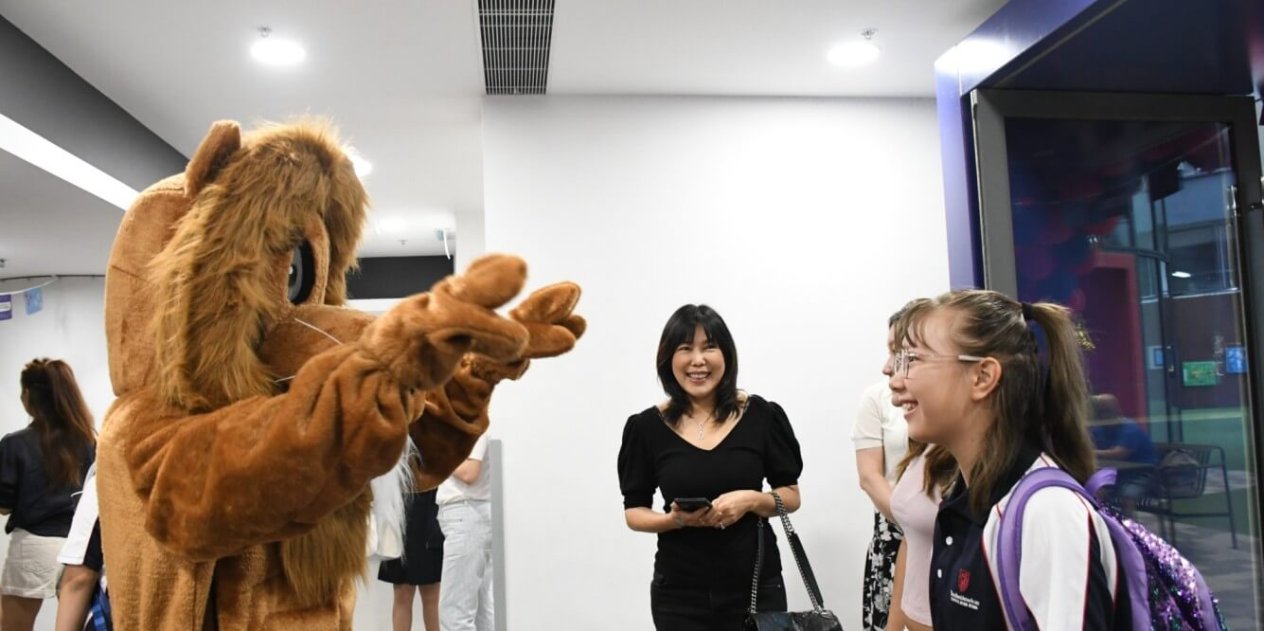
At Stamford American School Hong Kong, our Social-Emotional Program is guided by full-time, in-house counselors and uses the Wayfinder curriculum, which nurtures skills like empathy, self-awareness, and adaptability. Students who are still new to English receive tailored help through our English Support Programs, and Mandarin and Spanish classes within our Modern Language Programs give every learner a chance to build fluency in new languages.
Where Third Culture Kids Find Their Footing
A move abroad asks a lot from young people, and children often reveal their struggles through behavior long before they can put them into words. With time, most progress from the frustration of the early months to genuine comfort in their new home. For third culture kids, that journey also shapes a unique identity, one that draws on every place they have lived.
Patience, open conversation, and the right support can help children do more than cope. They can grow into confident, empathetic global citizens who feel at home in more than one world. Much of that growth happens in the classroom, on the playground, and among friends. Stamford American School Hong Kong offers an international community that knows the unique needs of third culture kids. Book a school tour to see how we can guide your child through every transition.