Moving to another country can be an exciting experience for a child, but it can also bring unfamiliar routines, languages, social expectations and surroundings. Even children who are excited about the move may need time to feel comfortable in their new environment.
This is where culture shock can become part of the adjustment process. Children may experience unfamiliar feelings or behaviors as they learn how to navigate a new culture, school and community.
For families who move internationally, the experience can also shape a child’s sense of identity and belonging. Some children become third culture kids, developing connections to multiple cultures without feeling completely defined by any single one. With preparation, patience and the right support, children can gradually build confidence and a sense of belonging in their new home.
What Is Culture Shock?
Culture shock describes the feelings of uncertainty, confusion, or discomfort that can arise when someone encounters a culture that differs significantly from what they know. For children, the experience may involve changes to familiar routines, food, language, school expectations, friendships and social customs.
Culture shock does not necessarily mean that a child dislikes their new country. Excitement and difficulty can exist at the same time, and children may respond differently depending on their age, personality, previous experiences and level of familiarity with the new environment.
The stages of culture shock
The stages of culture shock are often described as a progression that begins with excitement or curiosity, followed by frustration or adjustment difficulties, and eventually greater familiarity and adaptation. However, children do not necessarily experience these stages in a fixed order.
A child may initially be enthusiastic about moving abroad and later miss familiar people or routines. Another child may settle quickly but experience difficulties several months later when the novelty of the move has worn off.
The important point is that adjustment takes time. Parents can help by recognizing that changes in mood or behavior may be part of the transition rather than assuming that a child is simply unhappy in their new home.
How culture shock shows up in children
Children may express culture shock differently depending on their age and personality. Younger children may become clingier, frustrated, or reluctant to try unfamiliar activities. Older children may withdraw socially, become more critical of their new surroundings, or miss friends and routines from home.
Other signs can include changes in sleep, appetite, motivation, or school engagement. A child might also compare their new environment with their previous home frequently.
These responses do not automatically mean that something is wrong. They can be signals that a child needs additional reassurance, connection and time to understand their new surroundings.
What Is a Third Culture Kid (TCK)?
International moves can influence not only how children adjust to a new environment, but also how they understand their identity. The term third culture kid, or TCK, is commonly used for children who spend a significant part of their developmental years living outside their parents’ culture.
A third culture kid may develop familiarity with several cultures through family life, school, friendships and international experiences. Their experience can be different from that of children who grow up primarily within one cultural environment.
TCK meaning and characteristics
The term third culture kid describes more than simply having lived in another country. These children often develop meaningful connections to multiple cultural environments through family life, school, friendships and international experiences.
At the same time, the experience can sometimes create questions about where they belong. A child may feel connected to several places while also feeling that none completely represents their identity.
The strengths and challenges of growing up between cultures
Growing up between cultures can provide valuable opportunities. Third culture kids may develop adaptability, cultural awareness, communication skills and an ability to appreciate different perspectives.
They may also become comfortable meeting people from different backgrounds and navigating unfamiliar environments.
However, international mobility can bring challenges too. Repeated moves may mean saying goodbye to friends, adapting to new schools and rebuilding social networks. Some children may also experience a sense of loss or uncertainty about where home is.
Recognizing both the strengths and challenges can help parents provide support without assuming that every internationally mobile child will have the same experience.
Helping Your Child Adjust to a New Country
There is no single formula for helping a child manage an international move. What matters is creating continuity where possible while giving children opportunities to become familiar with their new surroundings.
Parents can support adjustment by preparing children before the move, maintaining predictable routines afterward and helping them establish relationships in their new community.
Before the move: preparing children
Preparation can make an international move feel less uncertain. Depending on the child’s age, parents can involve them in age-appropriate conversations about the new country, school and daily routines.
Looking at photographs, maps, or videos together can help children develop a basic sense of what to expect. Families can also talk honestly about things that may feel different, such as food, weather, language, or school routines.
It can also help to acknowledge mixed feelings. A child can be excited about their new home while still feeling sad about leaving friends behind.
Families making the transition from a local to an international school may find it reassuring to hear about others who have gone through a similar experience. One family’s experience making this transition offers a personal perspective on what the change entails.
The first weeks: routines and reassurance
The first few weeks can involve a lot of change, so familiar routines can provide a useful sense of stability. Keeping regular mealtimes, bedtime routines and opportunities for family time can help children feel grounded.
Parents can also check in without making every conversation about whether the child is settling in. Simple questions about school, friends, or something they enjoyed that day can create opportunities for children to share what they are experiencing.
If a child is also changing schools, practical preparation can make the transition easier. Changing schools mid-year can bring its own challenges, particularly when children are adjusting to new routines, classmates and expectations.
Similarly, major changes can sometimes lead to separation anxiety, particularly when children are leaving familiar people or environments behind. Understanding how children experience separation anxiety can provide useful context for parents supporting a child through a transition.
Building friendships and a sense of belonging
Friendships can play an important role in helping children feel that their new environment is becoming familiar. Encourage children to participate in age-appropriate activities where they can meet others with shared interests.
It can also help to maintain connections with friends and family from the child’s previous home while creating opportunities to form new relationships.
For third culture kids, belonging may develop across several communities rather than being tied to one place. Giving children space to maintain meaningful connections can help them feel that their previous experiences remain part of their identity.
The Role of an International School in Settling In
School can become an important source of continuity when a family moves to another country. A welcoming school community can give children opportunities to establish routines, develop friendships and interact with people from different backgrounds.
For internationally mobile families, the school environment can therefore play an important role in helping a new place feel more familiar.
How a diverse, inclusive community eases the transition
A diverse school community can help children recognize that differences in language, culture and experience are a normal part of everyday life.
Students can learn alongside classmates with different perspectives while developing communication, collaboration and respect. This can be particularly valuable for third culture kids, who may already have experience navigating multiple cultural environments.
Learning in diverse and inclusive classrooms can also give children more opportunities to encounter different perspectives and develop an appreciation for the experiences of others.
EAL and bilingual support
For children learning English as an additional language, moving to a new country can involve adjusting to both a new environment and a different language of instruction.
Appropriate EAL support can help students develop the language skills they need to participate confidently in academic and social settings. At the same time, maintaining a child’s home language can help preserve family connections and cultural identity.
Bilingualism can also be an important part of growing up internationally. Bilingual education can support students in developing language skills while broadening their understanding of different cultures and perspectives.
Reverse Culture Shock: Returning Home
International adjustment does not always end when a family returns to a country they previously considered home. Reverse culture shock can occur when children return after spending significant time abroad.
A child may expect returning home to feel easy because the country, language, or culture is familiar. However, their own experiences may have changed while they were away. Friends may have moved on, routines may feel different and the child may have developed preferences or perspectives that are not shared by everyone around them.
For third culture kids, returning to a parent’s home country can therefore feel like another cultural transition rather than a simple return.
Parents can help by allowing children to talk about these experiences without expecting them to immediately feel at home. Recognizing that returning can involve its own adjustment process can make it easier for children to express what they are finding difficult.
Supporting Third Culture Kids at Stamford American School Hong Kong
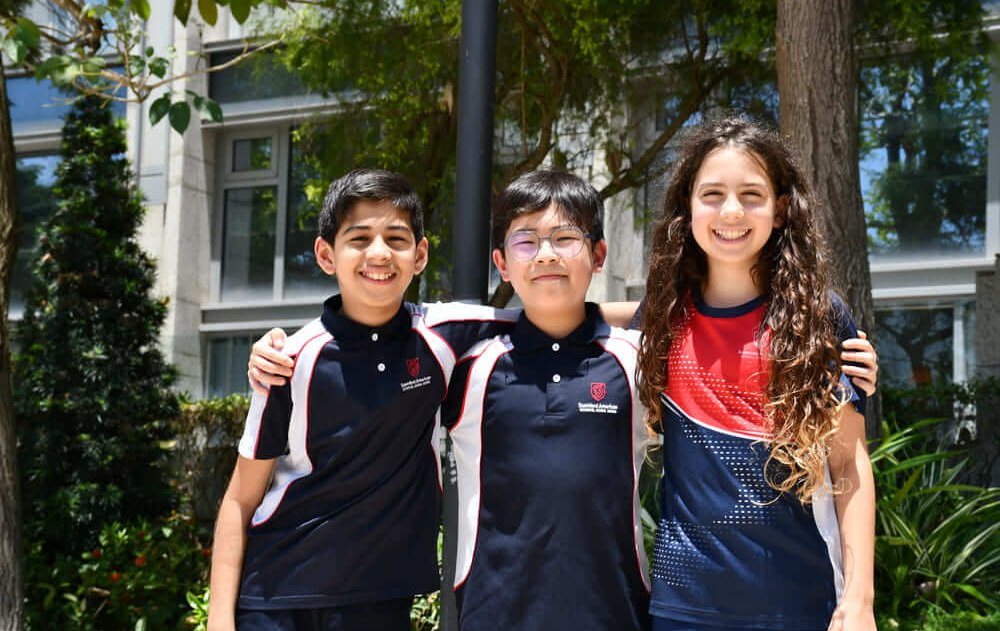
Stamford American School Hong Kong provides an international learning environment where students from different backgrounds learn alongside one another. This can be particularly relevant for families who are relocating internationally and want their children to develop a sense of belonging while experiencing a diverse school community.
The school’s approach emphasizes personalized learning, global citizenship, social-emotional development and collaboration. Students have opportunities to interact with classmates from different backgrounds while developing the skills needed to participate confidently in an international environment.
For third culture kids, this type of community can provide continuity during periods of change. A school environment where cultural differences are recognized and valued can help students build relationships while continuing to develop their own sense of identity.
Stamford’s approach also supports students who are developing English language skills. Its EAL programs provide different levels and models of support based on students’ individual language needs, including support within mainstream classrooms and additional assistance for students requiring more intensive language development.
Together, these approaches can help internationally mobile students settle into school life while continuing to grow academically, socially and personally.
Frequently Asked Questions
What does TCK mean?
TCK meaning refers to the term third culture kid. It generally describes a child who spends a significant part of their developmental years living outside their parents’ culture. Third culture kids may develop connections to multiple cultures through family, school, friendships and international experiences.
Being a TCK does not mean that every child will have the same cultural identity or adjustment experience. Some may feel comfortable moving between cultures, while others may have more questions about belonging and where they consider home.
What are the stages of culture shock?
The stages of culture shock are often described as a pattern that can include initial excitement, frustration or discomfort, gradual adjustment and greater familiarity with the new environment.
However, these stages are not a fixed sequence that every child follows. Children can move between different feelings, experience several at once, or adjust at different speeds.
Parents can focus less on identifying a specific stage and more on noticing what their child needs at each point in the transition. Reassurance, predictable routines, friendships and opportunities to talk about the experience can all help.
How long does culture shock last in children?
There is no standard timeframe for culture shock in children. Adjustment can depend on factors such as age, personality, previous international experience, language ability, the amount of change involved and the support available.
Some children may settle relatively quickly, while others may need considerably more time. Difficult feelings can also appear after the initial excitement of a move has passed.
Rather than expecting a child to adjust by a particular date, parents can look for gradual signs of familiarity and confidence. If difficulties remain persistent or significantly affect a child’s well-being, relationships, or school participation, it may be helpful to discuss the situation with their teacher or another appropriate support professional.